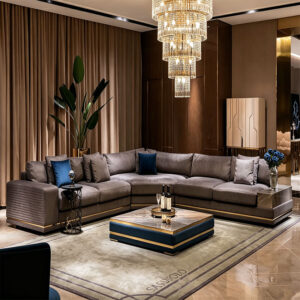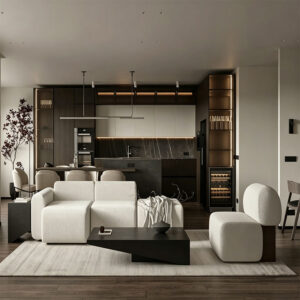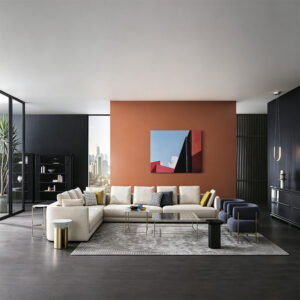


Custom wardrobes are not only storage furniture. In hotel rooms, serviced apartments and residential projects, wardrobes shape the daily user experience and influence the overall interior quality. A well-planned wardrobe should combine correct dimensions, durable materials, flexible storage and a clean visual style.
Plan the internal storage first
The outside design is important, but the interior layout decides whether the wardrobe is useful. Hanging zones, drawers, shelves, luggage space, shoe storage and lighting should be confirmed according to the room type. Hotel wardrobes often need open hanging, safe box space and luggage shelves, while apartment wardrobes may need more drawers and seasonal storage.
Choose door types by space
Sliding doors save space in compact rooms. Hinged doors give easier full access and can look more premium in villas and large bedrooms. Glass doors, aluminum frames and integrated lighting can improve visual value, but they require better production accuracy and careful packaging for export.
Match wardrobes with wall panels and furniture
A wardrobe should not feel isolated from the room. The best hotel and apartment projects coordinate the wardrobe finish with wall panels, beds, desks, TV cabinets and doors. This creates a more complete interior package and makes the project easier to install on site.
Check production and installation details
For overseas projects, every wardrobe should be labeled clearly, packed by room or unit, and supported with installation drawings. KOJOON provides custom bedroom wardrobes and whole-room furniture solutions for apartments, hotels and villas.
When sending an inquiry, include room dimensions, ceiling height, door direction, material preference and target quantity. This helps create a more accurate wardrobe quotation and reduces changes during production.